
Training Resources for Leaders
Practical and Spiritual Apps Books and Videos - Free Downloads
Access free leadership training materials designed for leaders in rural villages. Practical tools to strengthen communities and drive sustainable development.
All Nations International equips people, local pastors, workers, and missionaries with spiritual and practical resources that help raise the standard of living among communities, villages and tribes where they work..
All Nations helps to meet challenges in developing countries by training indigenous workers in areas such as preventative health care, first aid, hygiene, water purification, sustainable agriculture, animal husbandry, we teach appropriate technology like harvesting, drying, canning, and preserving of food.
Our mission is to train and empower local leaders to support, develop, and strengthen their communities and villages.
Course Overview and Detailed Explanations
The purpose of the training is to equip community members with practical knowledge and skills in God’s food resources, effective planting techniques, cleanliness, disease prevention, food security, environmental sustainability, household income, public health, and overall community resilience.
The initiative is created based on the response to challenges faced by members of the community, it integrates agricultural training, livestock management, nutrition education, sanitation practices and business development. This training combines practical skills with principles of responsible resource management and community empowerment.
Click a course below to learn more.
God’s Food Resources
This segment introduces God’s Food Resources and explains how God provides for His children. It highlights how hunger can be addressed when people are open to receiving God’s provision and using the opportunity to share His message. Numerous testimonies demonstrate how lives have been transformed through God’s resources.
In This Lesson You Will Learn:
- God’s resources
- The knowledge of planting and growing crops
- The importance of maintaining soil
- Encouragement to view agriculture as both a blessing and a responsibility
Close Together Planting
This segment introduces participants to Close Together Planting and highlights the basic knowledge needed for a successful planting season.
In This Lesson You Will Learn:
- How to identify soil texture in their environment
- The benefits of planting crops closer together, including moisture retention and weed reduction
- How to plant crops according to seasonal conditions
- Which types of manure and compost are most suitable for planting
- When crops are ready to harvest
- How to select and save the best seeds for the next planting season
F.A.I.T.H. Gardening
The F.A.I.T.H. (Food Always In The Home) Gardening Program aims to address issues of food insecurity, malnutrition, and rising food prices. It promotes the establishment of backyard gardens where families can grow vegetables, fruits, and herbs throughout the year. By harvesting their own produce, families can provide nutritious food for themselves and improve household food security through this sustainable agriculture approach, even with limited resources.
In This Lesson You Will Learn:
- Food Security: Locally grown food, such as home gardening and close-together planting methods, helps sustain families and improve household food security.
- To ensure families have a continuous supply of food from a small area of land
- To encourage every household to use their backyard as a sustainable food source and prevent hunger
SALT 1, 2 and 3 – Sloping Agriculture Technology
This segment of the training introduces Sloping Agricultural Land Technology (SALT) as a practical solution for farming on hilly or sloped terrain, more than sixty percent of the Haitian country is mountainous and many communities farm on hillsides, sloping land or elevated terrain.
In This Lesson You Will Learn:
- Introduction to SALT Principles
- Understanding the challenges of sloped farming
- Discussing common problems associated with hillside farming
- SALT as a sustainable farming method
- SALT retains water and soil nutrients
- SALT prevents soil erosion
Tree Care
This segment introduces Tree Care as an essential practice for effective land management and long-term agricultural productivity. The session emphasizes the important role trees play in supporting food security, preventing soil erosion, and improving environmental health.
In This Lesson You Will Learn:
The importance of trees in sustainable agriculture
How trees help prevent soil erosion
How trees improve soil fertility
The benefits trees provide, including fruits, shade, and firewood
How trees support rainfall cycles and environmental balance
How to properly plant trees
How to select healthy seeds for planting
Proper tree spacing for healthy growth
Effective watering methods
How to protect young and growing trees
Basic soil care practices for tree health
Improved Backyard Chicken Production
Improved Backyard Chicken Production is introduced as a method to improve household nutrition, generate income, and strengthen food security. This training covers the rearing of chickens, ducks, and other small poultry using sustainable, low-cost techniques suitable for backyard and small-scale farming. Emphasis is placed on proper housing, feeding, disease prevention, breeding, and hygiene practices to ensure healthy flocks and optimal productivity.
In This Lesson You Will Learn:
The importance of poultry farming as a source of protein (eggs and meat) and household income
How poultry farming can be adapted to small land spaces and serve as an accessible start-up activity for families
How to provide proper housing and shelter to protect birds from predators and harsh weather
How to construct simple, secure enclosures to prevent loss or theft
Proper feeding practices using locally available grains and providing clean water to support growth and egg production
Basic health care and disease prevention, including recognizing signs of illness, separating sick birds, and vaccination when available
Breeding management, including selecting healthy birds, keeping records of births and growth, and gradually expanding the flock for sustainability
How To Raise Ducks
This course introduces the benefits of duck raising as a practical backyard livelihood for farming households. It highlights how ducks can improve family nutrition, provide additional income, and offer a low-cost, easy-to-manage poultry option for small-scale farmers.
In This Lesson You Will Learn:
- How ducks provide meat and eggs that are rich in protein and help support family food needs.
- How families can sell surplus eggs to earn additional money for household expenses.
- How duck raising can be done on a small scale, making it ideal for farms and home backyards.
- How ducks need only simple housing and fewer replacement costs because they remain productive longer.
- How easy ducks are to manage: They require less labor, and egg collection is simple because ducks usually lay early in the morning.
- How ducks are less affected by common poultry diseases, making them a reliable livelihood option.
Raising Goats
This segment of the training introduces participants to Raising Goats and its role in improving household nutrition, income, and small-scale livestock management. The session focuses on sustainable, low-cost goat farming techniques suitable for small land areas, emphasizing proper feeding, housing, breeding, and health care.
In This Lesson You Will Learn:
The importance of goat farming as a source of milk, meat, and household income
How to provide proper shelter and housing for goats
How to provide adequate nutrition and feeding for healthy goats
Basic health care and disease prevention, including recognizing signs of illness, separating sick animals, and vaccination when possible
Breeding management, including selecting healthy breeding goats and recording births and growth
Combating Malnutrition
The Combating Malnutrition section focuses on improving dietary practices and increasing awareness of balanced nutrition using locally available foods. The goal is to reduce preventable health conditions related to poor diet, especially among children and pregnant women.
In This Lesson You Will Learn:
What malnutrition is and how it affects the body
The signs and symptoms of malnutrition
The effects of malnutrition on children’s growth and development
The impact of poor nutrition on overall health and productivity
The importance of eating a balanced diet
How to use locally available foods to create balanced meals
Nutrition needs for vulnerable groups, especially children, pregnant women, and the elderly
Cooking methods that help preserve nutrients
Safe food storage practice
Sanitation and Water Purification
This session addresses the connection between sanitation and access to clean water. Participants are trained in practical, low-cost methods to maintain hygiene and safely purify water.
In This Lesson You Will Learn:
The importance of sanitation for community health
How to keep living areas clean and hygienic
How to prevent contamination of water sources
Common waterborne diseases and how they spread
Basic water purification methods
Simple filtration techniques for safer drinking water
Safe water storage practices
How to protect wells and other water sources
The importance of avoiding open defecation near water bodies
Cleanliness and Disease
This segment focuses on hygiene practices and disease prevention techniques that are important for maintaining health within the community.
In This Lesson You Will Learn:
- Proper handwashing techniques
- Safe water storage and handling practices
- Effective waste disposal methods
- The relationship between sanitation and common diseases
Treatment of Dangerous Illnesses
This segment is dedicated to raising awareness about dangerous and life-threatening illnesses. The purpose of this training is to help community members recognize warning signs early, understand preventive measures, and seek appropriate medical care when necessary.
In This Lesson You Will Learn:
• An overview of dangerous and life-threatening illnesses
• How to identify common warning signs and symptoms
• The importance of seeking medical attention early
• How to locate the nearest clinic or hospital for treatment
• Why serious conditions should not rely solely on home remedies
• The importance of vaccination in preventing disease
• How prevention and early care can reduce the risk of severe illness
Herbal Medicine Manual
The Herbal Medicine Manual segment introduces participants to the responsible use of locally available medicinal plants. The objective of this session is to promote the safe and informed use of traditional herbal remedies while emphasizing the importance of seeking professional medical care when necessary. Participants will learn about herbal medicine as the use of plant-based materials to support health and wellness. The session also recognizes the cultural role of medicinal plants in many rural communities.
In This Lesson You Will Learn:
- The difference between herbal medicine and modern clinical medicine
- How herbal remedies can support health but may not replace professional medical treatment
- The importance of using herbal remedies safely and in moderation
- How to identify commonly used medicinal plants in the community
- Safe preparation and handling practices for herbal remedies
- The importance of avoiding misinformation and false health claims
- Training Pacs - PDF
Click on a course below to download the PDF training pack.
You may print copies and distribute them within your community for training and educational purposes.
- Training Apps
Get the Training Manuals App on the Google Play Store — available in multiple languages for easy access anytime.
Enjoy this versatile app for personal devotion, one-on-one mentoring and group Bible study.
Easy to read, effective and powerful, the Isaiah 58 MTi app is must have for any believer!

English
Quickly develop key foundational principals and share the Gospel with confidence!

Spanish
¡Desarrolla rápidamente principios fundamentales y comparte el Evangelio con confianza!

Nigeria, West Africa
Quickly develop key foundational principals and share the Gospel with confidence!

Haitan Creole
Devlope prensip fondamantal yo byen vit epi pataje Levanjil la avèk konfyans!
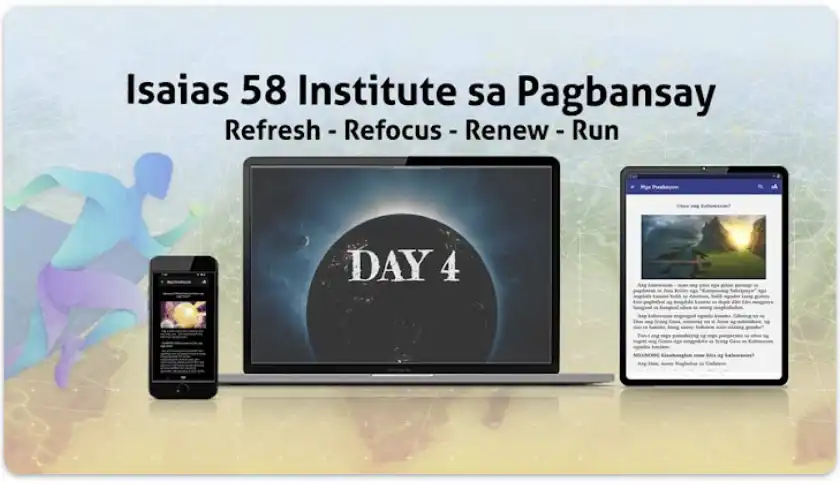
Cebuano
Pagpalambo dayon sa mga sukaranan ug ipaambit ang Ebanghelyo uban ang pagsalig!

Tagalog - Cebuano - English
Mabilis na bumuo ng mga pangunahing kaalaman at ibahagi ang Ebanghelyo nang may kumpiyansa!
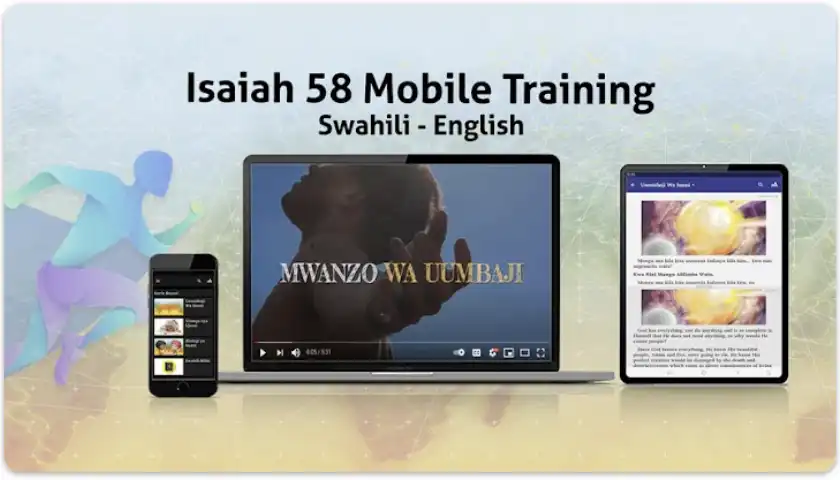
Swahili
Kuza mambo ya msingi haraka na shiriki Injili kwa ujasiri!

Chinese
Quickly develop key foundational principals and share the Gospel with confidence!

- Collection of Books - English
This Free APP contains a collection of books, studies and devotionals for today’s NEXGEN leaders

- Training Paperback and eBooks
Discover our paperback books and eBooks available on Amazon, Barnes & Noble, Apple Books, and leading online bookstores worldwide.
Click the links below
- Training Videos
Watch training videos, webinar replays, and past conference recordings on our YouTube channels.
Click the links below
- Founder Rev. Agnes I Numer - Audio and Transcribed Messages
Since 1954 the late Rev. Agnes I. Numer has given thousands of life changing messages. Read More